



The company he manages is open to all types of tenants, whether it’s logistics or complex industrial activities. How can this be reconciled, why is the BTS project built for ZF in Kecskemét exemplary, and how do they plan to remain competitive in the long term? These are some of the topics we discussed.
What is your opinion on 2024, how did the market evolve?
The industrial real estate market has been one of the fastest-growing segments in recent years, especially due to the explosive growth of e-commerce. During the pandemic, the transformation of supply chains and the shift from just-in-time to just-in-case approaches gave the market a new direction. These factors have encouraged suppliers and logistics service providers to invest in larger, more flexible, and better-equipped logistics spaces to protect themselves against unexpected disruptions in supply chains. However, in 2023, we saw some changes. Although the sector remains strong, the economic and geopolitical environment had a significant impact on the pace of growth. Inflation, global interest rate hikes, and other factors affecting investment decisions led to a slowdown in tenant and investor activity, which also prompted developers to act with more caution. Additionally, the effects of the energy crisis were noticeable, as high energy prices and the increased demand for energy efficiency led to a rethink of the design and operation of logistics properties. Companies have sought to reduce energy consumption while implementing more sustainable solutions.
What is driving the market now, which sector are the most important tenants coming from?
In the industrial real estate market, the automotive and battery manufacturing sectors have played a significant role and have been major drivers in the market. The war in Ukraine and the resulting geopolitical tensions have also had an impact, particularly due to supply chain disruptions and raw material shortages. The demand for logistics properties has shifted, as some companies have moved operations from the war-affected regions to other, more stable areas. While there was some slowdown in 2023, this can be interpreted as a natural normalization after the extraordinary growth rates of previous years. Investors continue to show interest in industrial properties, especially those that meet sustainability and technological requirements. In the uncertain economic environment, Build-to-Suit (BTS) projects remain popular among banks and investors, as these developments provide long-term, secure revenue for the project financiers, with minimal risk.
Can you give an example of the above?
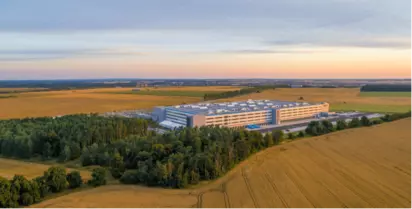
The Panattoni Hungary Kecskemét project, built for ZF Chassis Modules Hungary, is an excellent example of how BTS developments tailored to specific needs can succeed in the current market environment.
How significant are the differences between regions?
While demand remains strong around major logistics hubs, some remote regions have seen a slowdown. However, by the second half of the year, investor interest reappeared, suggesting that the market has adapted to the consequences of the war and the energy crisis. Overall, the slowdown observed in the 2023-2024 market is part of a stabilization process, a natural reaction to the rapid growth of previous years. The sector continues to be an attractive investment target, particularly for those with a long-term outlook, seeking developments capable of adapting to changing market needs.
How are tenant needs changing?
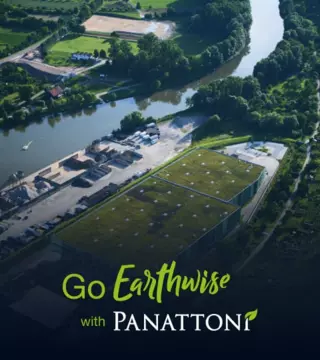
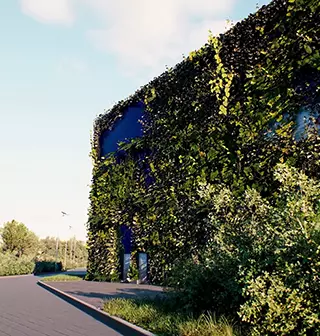
Tenant demands in the industrial real estate market are continuously evolving, and we’ve seen significant transformations in recent years. The pandemic and the rapid growth of e-commerce have led to new requirements for logistics and industrial facilities. Standard warehouses have been increasingly replaced by specialized, value-added spaces, where not only storage but also assembly and manufacturing processes take place. I believe that tenants are increasingly seeking facilities that can accommodate specific activities, such as manufacturing, assembly, or even research and development. This trend is particularly noticeable in the technology industries, where tenants are looking for spaces that support the efficiency of manufacturing processes, not just storage. Another important shift is the emphasis on sustainability. ESG criteria have become fundamental expectations for tenants, investors, and banks. More and more companies are seeking buildings that are energy-efficient, have low emissions, and meet the highest environmental standards. For example, the ZF Chassis Modules Hungary production hall in Kecskemét was built with strict sustainability criteria and aims for a BREEAM Excellent rating. This reflects the growing demand for green solutions among tenants.
In the past, warehouses were like colorful boxes, but technology is becoming increasingly important here as well.
That's right, automation and technological advancements are becoming more significant. Tenants are looking for facilities with advanced IT infrastructure, supporting automated systems and offering opportunities for digitalization. This is especially crucial in industries like automotive manufacturing, where much of the production process is automated. For example, the ZF Chassis Modules Hungary production hall in Kecskemét is fully automated in the production of vehicle axle modules. The demand for flexibility and scalability is also growing. Tenants are looking for spaces that can easily be adapted, expanded, and adjusted to changing market demands. In a rapidly changing economic environment, companies need properties that can quickly respond to technological or business changes. The weight of labor market considerations in location decisions has been reassessed. A good example of this is the Kecskemét development, where the creation of nearly 300 new jobs acted as a catalyst, attracting more tenants. The concentration of skilled labor and modern working environments, capable of retaining talent, are increasingly important in location decisions.
Let’s return to ESG! How does this requirement system impact the market?
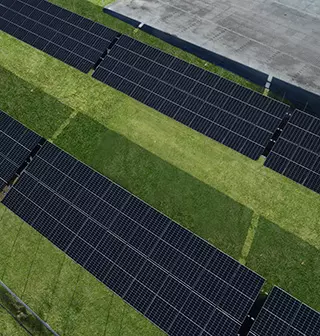
ESG (Environmental, Social, and Governance) factors are playing an increasingly important role in the modern industrial real estate market. As sustainability requirements become stricter, it is of paramount importance for users to lease properties that meet these expectations. Tenants are increasingly seeking buildings with low carbon emissions, that use renewable energy sources, and minimize environmental impact. For example, the ZF Chassis Modules Hungary production hall in Kecskemét generates no local CO2 emissions, and heating is provided by electric heat pumps. The building aims for a BREEAM Excellent rating, which represents the highest sustainability standards. Social factors have also gained importance in recent years. Tenants and developers are focusing on ensuring that facilities offer appropriate working conditions for employees. This includes a healthy working environment, good accessibility, and extra services such as dining options or recreational areas. The Kecskemét project, with its nearly 300 new jobs, positively impacted not only the local economy but also the community. The governance aspect focuses on transparent and responsible corporate management. Tenants are increasingly seeking partners who create projects validated in institutional frameworks, conduct ethical and responsible operations, whether in terms of development process transparency, risk management, or responsible supply chain governance. ESG aspects are not only important from an ethical standpoint but also increasingly offer business advantages. Investors and financiers today prefer developments that meet ESG criteria, as they are considered more sustainable and lower-risk investments in the long term.
Beyond ZF, what dominates the market – industrial activities or classic logistics? From a landlord's perspective, what is a healthy mix?
A notable transformation has occurred in the industrial real estate market in recent years. While classic logistics functions dominated in the past, industrial activities, particularly high-tech manufacturing and assembly, are now gaining importance. Classic logistics still plays an important role, especially due to the rise of e-commerce. With the transformation of global supply chains, there has been an increased demand for warehousing and distribution functions. Tenants are looking for locations that are well-connected and offer various transportation modes. This trend is also reflected in the 2023 BTS agreement between Panattoni Hungary and Rossmann, one of the largest such projects in the domestic logistics market. The shift towards industrial activities, particularly high-tech manufacturing and assembly, is well exemplified by the ZF Chassis Modules Hungary production hall in Kecskemét. The fully automated production processes for electric vehicle axle modules take place in a facility that meets the highest technological and sustainability requirements. These types of industrial activities not only present technological challenges for developers but also create significant added value for the region.
Let’s revisit the healthy tenant mix. Does such a mix exist?
For a long-term portfolio, an ideal balance might be a 50-50% split between logistics and industrial functions, but this can change based on market demand, regional characteristics, and project specifications. Tenants who think in terms of flexible and well-designed spaces prefer properties that are suitable for both storage and light industrial activities. This allows them to easily adapt leased spaces as their business model changes. Panattoni Hungary’s strategy is to remain flexible and adapt to market needs. We are open to all types of tenants, whether in logistics or complex industrial activities. Our goal is to develop modern and innovative industrial properties that meet a wide range of tenant needs. This flexible approach enables us to stay competitive in the long term.
You entered the market relatively "late", how are you doing now?
Over the past three years, Panattoni Hungary has established a unique position in the Hungarian market, which goes beyond the traditional developer role: our BTS projects are also significant investment transactions, which are particularly valuable in the current, investment environment that is very cautious. While activity in the investment market has decreased substantially, Panattoni’s BTS developments remain attractive to institutional investors. This is exemplified by the Rossmann logistics center development in Üllő, financed by the OTP Real Estate Investment Fund as part of the Baross Gábor Capital Program, as well as the BTS facility related to the BMW plant in Debrecen, which strengthens our automotive portfolio. We are actively seeking new development opportunities nationwide, particularly in rural locations, where premium technical content and stable investment considerations can be applied. (Raktarkereso.info, 2024)
(Raktarkereso.info, 2024) Egyedi pozíciót építettünk ki a magyar piacon. Elérhető: https://www.raktarkereso.info/cikkek/interjuk/kemenes-laszlo-egyedi-poziciot-epitettunk-ki-a-magyar-piacon